


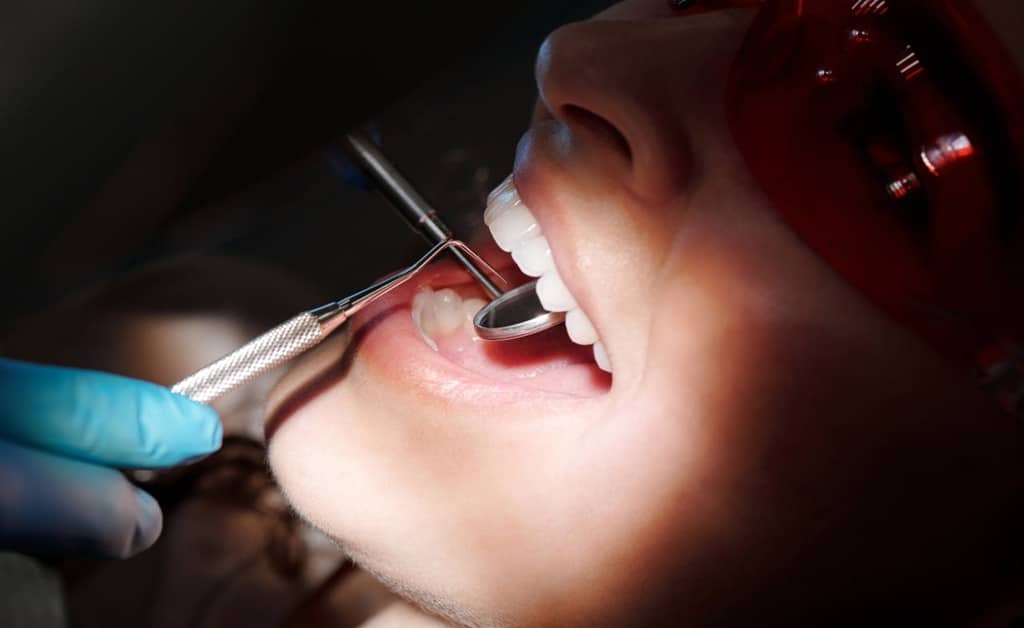
October rolls around, and Dental Hygiene Month is a decent excuse to actually think about what you’re doing with your teeth. If you’ve been searching for oral care tips in October, you’re in the right place. Because a healthy smile isn’t just about seeing the dentist now and then. It’s the small stuff, the daily stuff, that really adds up. Dr. Angela and the team at Palm Beach Orthodontics don’t overcomplicate it. Learn a few things, keep at them, and your smile holds up for the long haul.
So this is a run-through of the basics. How you brush in the morning, what happens when you’re in the chair for a check-up, all of it. Maybe you already have a routine and just want to tighten it up. Or maybe you’re starting from scratch. Doesn’t matter much. By the end, you should feel a bit more sure about how you’re treating your teeth.
Learn the Basics of Oral Health: Brushing, Flossing, Rinsing
Three things do most of the heavy lifting here: brushing, flossing, rinsing. Sounds obvious, right? But it’s the doing them right, over and over, that keeps cavities and gum disease from creeping in.
How Often Should You Brush and Floss?
Dr. Angela keeps it simple. Twice a day, two full minutes each time, soft-bristled brush, fluoride toothpaste. And two minutes is longer than it feels, honestly. Most people bail early. Try not to. That extra time is what gets the brush onto every surface, back molars and all. And those back ones? Always the first to get shortchanged. Flossing pulls its weight too. Once a day, and you’re clearing out the plaque and food stuck in the gaps a brush can’t get to.
Why Rinsing Matters
Then there’s mouthwash. An antimicrobial or fluoride rinse after you brush and floss gives you a bit more cover. Knocks back bacteria, sorts out your breath, does your enamel a favor. It’s not a replacement for the other two, though. Don’t kid yourself into thinking a swish makes up for skipping the brush. Think of it as the last thing you do to a routine that already stands on its own.
Advanced Methods: Interdental Brushes and Water Flossers
Once brushing and flossing are second nature, maybe you want to push a little further. Interdental brushes and water flossers are both worth a look. They really shine if you’ve got braces, a bridge, or teeth crammed in tight together.
What Are Interdental Brushes Used For?
An interdental brush is a tiny, bendy little brush made for getting between teeth and around things like braces or implants. Reaches spots that regular floss keeps skipping over. Dr. Angela and the team steer a lot of orthodontic patients toward them, because let’s be honest, keeping brackets and wires clean is a pain otherwise.
Are Water Flossers Worth It?
A water flosser shoots a pulsing jet of water between your teeth and along the gumline, washing out plaque and bits of food. It’s gentle. Good news if your gums are tender, your hands aren’t as steady as they used to be, or you’ve just never gotten on with string floss. It won’t replace flossing outright. But paired with it? Hard to argue with the results.
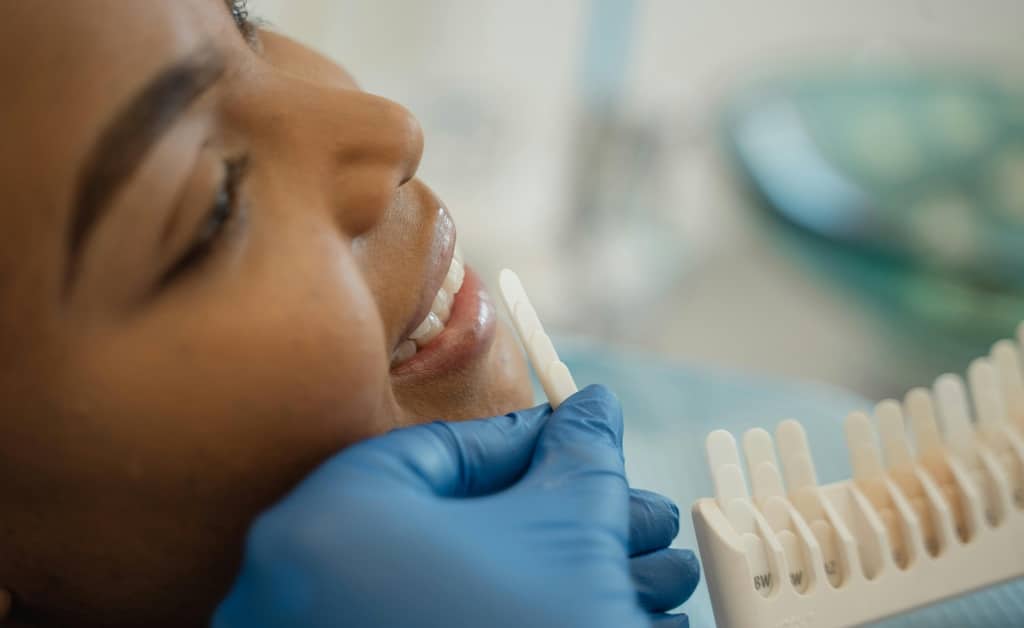
Dietary Advice: Foods to Enjoy and Avoid
What you eat matters more for your teeth than you’d probably think — and it’s one of the most overlooked oral health tips that October searches turn up. Some foods actually help. Others wear things down quietly, no drama, until one day there’s a problem. If you’re in braces, the rules get a bit stricter — see our full guide to what not to eat with braces for the details.
Which Foods Support Healthy Teeth?
Crunchy stuff like apples and carrots scrubs off plaque while you chew and gets the saliva going. Dairy, so cheese and yogurt, hands you calcium, and calcium firms up enamel. Leafy greens are loaded with the vitamins and minerals your gums count on.
Which Foods Should You Limit?
Sugary snacks and drinks are the big troublemakers, feeding the bacteria that pump out acid. Sticky things are sneaky, too. Caramel and dried fruit hang around and stretch out how long the sugar sits on your teeth. Acidic drinks, soda, and some fruit juices grind down enamel slowly over the years. You don’t have to give any of it up. Just go easy, brush not long after, and you’ll dodge most of the damage.
Routine Dental Check-Up: What to Expect
Check-ups are what tie the whole thing together. They catch the small problems early, before they turn into big, expensive ones.
How Often Should You See Your Dentist?
Every six months works for most people. At the visit, the pro will give your teeth a proper clean, look for cavities, and check on your gums. And every so often they’ll take X-rays to spot the stuff a normal exam misses.
What Happens If a Problem Is Found?
Say a bit of early decay shows up, or the first hint of gum disease. You will talk through the options that make sense for you. Caught early, the fix is usually simpler. That’s the whole point of not skipping check-ups.
Welcome to a Lifetime of Healthy Smiles
Taking care of your teeth is a lifelong thing, sure, but it doesn’t have to hang over you. Brush properly. Floss every day. Eat halfway sensibly. Little habits, kept up, they stack. Throw in regular visits to Dr. Angela and the team, and a healthier, more confident smile really is within reach.
So use this October as a nudge — and if you’ve been Googling dental health tips in October, here’s your sign to act on them. Book the check-up you’ve been putting off. Grab the tools that’ll help. Shift your diet a little. Down the line, you’ll be glad you bothered!

Dr. Angela is a board-certified orthodontist and the founder and owner of Palm Beach Orthodontics, with offices in Palm Beach Gardens and Royal Palm Beach. With more than 20 years of experience, she provides consistent, doctor-led care for children, teens, and adults using braces and Spark clear aligners. She was named Orthodontist of the Year in Palm Beach Gardens by the Consumer Ratings Institute, a review-based award.
Find Dr. Angela on Healthgrades, WebMD, and the American Association of Orthodontists.