


Different Types Of Braces Available
Traditional Metal Braces
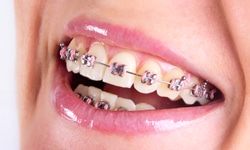
Traditional metal braces are the most common type of braces and are more comfortable today than ever before. Made of high-grade stainless steel, metal braces straighten your teeth using metal brackets and archwires. With metal braces, you have the option of adding colored elastics (rubber bands) for a more unique and colorful smile.
Self-Ligating Braces
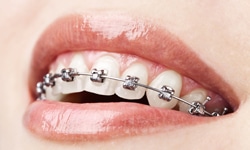
Self-ligating braces are made from the same materials as traditional braces. However, self-ligating braces do not require the use of elastics, meaning fewer appointments and less friction being placed on the tooth. Self-ligating braces come with traditional metal, ceramic, or clear brackets. They are the same size as metal braces, but use a specialized clip in place of elastics to help the archwire guide teeth into place. The clip helps reduce the amount of pressure being placed on the tooth, and requires fewer adjustments because there are no elastics to replace.
Clear (Ceramic) Braces
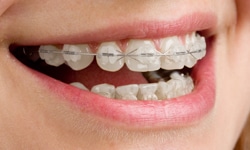
Ceramic braces are made of clear materials and are therefore less visible on your teeth than metal braces. For this reason, ceramic braces are used mainly on older teenagers and adult patients who have cosmetic concerns. While they are visually less prominent, they do require more attention to oral hygiene as ceramic braces are larger and are more brittle than their metal counterparts. For these reasons, ceramic braces tend to be used more on upper front teeth than on lower teeth.
Clear Aligners
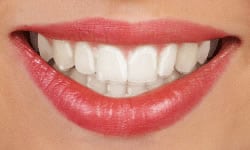
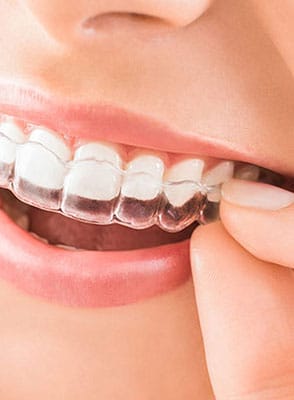
Clear aligners are a series of invisible, removable, and comfortable acrylic trays that straighten your teeth like braces. Not only are the aligners invisible, they are removable, so you can eat and drink what you want while in treatment, plus brushing and flossing are less of a hassle. The aligners are comfortable and have no metal to cause mouth abrasions during treatment.
FAQs
Which Type Of Braces Is Less Painful?
Thanks to advancements in the dental field, braces of all types are now as comfortable as they have ever been in their history. As Dr. Angela and the experienced team at Palm Beach Orthodontics will tell you, there’s no need to avoid certain types of braces for this reason. Instead, we’ll help you choose between clear aligners, traditional metal braces, ceramic braces, and self-ligating braces.
Which Braces Work Faster?
Ultimately, the speed of treatment depends on the complexity of your case and other circumstances. Therefore, it’s difficult to say that one type is faster than another. You can be sure that we’ll help you determine the best type of orthodontic treatment for your case.
Is It Difficult To Maintain Oral Hygiene With Braces?
You’ll need to adjust your approach to oral hygiene, but there’s no reason you can’t maintain good oral hygiene with braces. Positive habits include brushing after every meal, flossing, using toothpaste with fluoride, avoiding sugary foods and drinks, avoiding chewy and sticky foods, and attending your checkups with Dr. Angela and the team.
What Braces Are Good For Teeth?
Braces are only ever recommended in cases where they will contribute to a treatment plan, so all braces are good for teeth in this regard. If Dr. Angela and the Palm Beach Orthodontics team recommend braces, feel free to ask questions and learn exactly what the braces will do for you or your child.
Why Do Teeth Go Brown With Braces?
Discoloring generally occurs due to a buildup of plaque around the brackets, as well as trapped food. Discoloring can also be caused by consuming staining foods (such as berries and coffee) and a lack of dental hygiene. If you follow the advice of Dr. Angela, your braces will sparkle throughout the treatment.